


Ambika Achanta MSocWk, MSc, MBA, Counselling
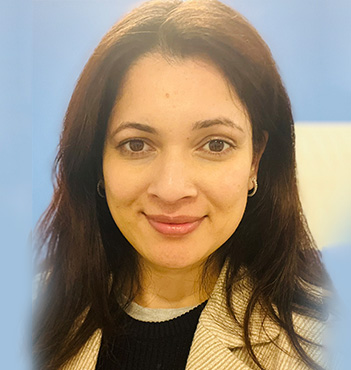
Mental Health Social Worker, Counsellor, Mindfulness Practitioner, Lecturer and Researcher, Ambika Achanta brings over 15 years of experience across mental health services, community development, NGO leadership, academia, and management consulting.
Her practice is grounded in trauma-informed, recovery-oriented, mindfulness-informed, and biopsychosocial frameworks, reflecting a comprehensive and person-centred approach to care.
Over the past six years, Ambika has worked in inpatient and outpatient mental health settings, providing individual counselling and facilitating structured, evidence-based group programs for individuals with complex and co-occurring mental health presentations. She has held both clinical and coordination roles, including leading multidisciplinary teams and contributing to service development.
Ambika is also actively engaged in academia as a Lecturer and Researcher with Institute of Health and Management, powered by Arizona State University, contributing to mental health and healthcare education, research, and workforce development.
As a mindfulness practitioner, Ambika integrates mindfulness-based approaches into her therapeutic work to support emotional regulation, self-awareness, grounding, and nervous system regulation. Her clinical approach integrates psychodynamic and trauma-informed perspectives with strength-based and solution-focused practice. She works collaboratively with clients to explore the impact of trauma, attachment, and relational patterns on current functioning, while maintaining a strong focus on safety, stabilisation, and practical change.
Her work is informed by CBT, DBT, ACT, and mindfulness-based interventions, supporting clients to develop emotional regulation, coping skills, and values-based goals. Ambika prioritises interventions based on clinical need, balancing short-term symptom management and stabilisation with longer-term insight, recovery, and sustainable change.
Areas of interest: Trauma recovery, complex and co-occurring mental health, psychodynamic and trauma-informed practice, culturally responsive and advocacy-informed care, recovery-oriented and strengths-based practice, mindfulness-based approaches, community-connected mental health, and mental health education and research.
“I am inspired by the resilience I see in people, and feel privileged to be part of their journey toward healing and hope.”